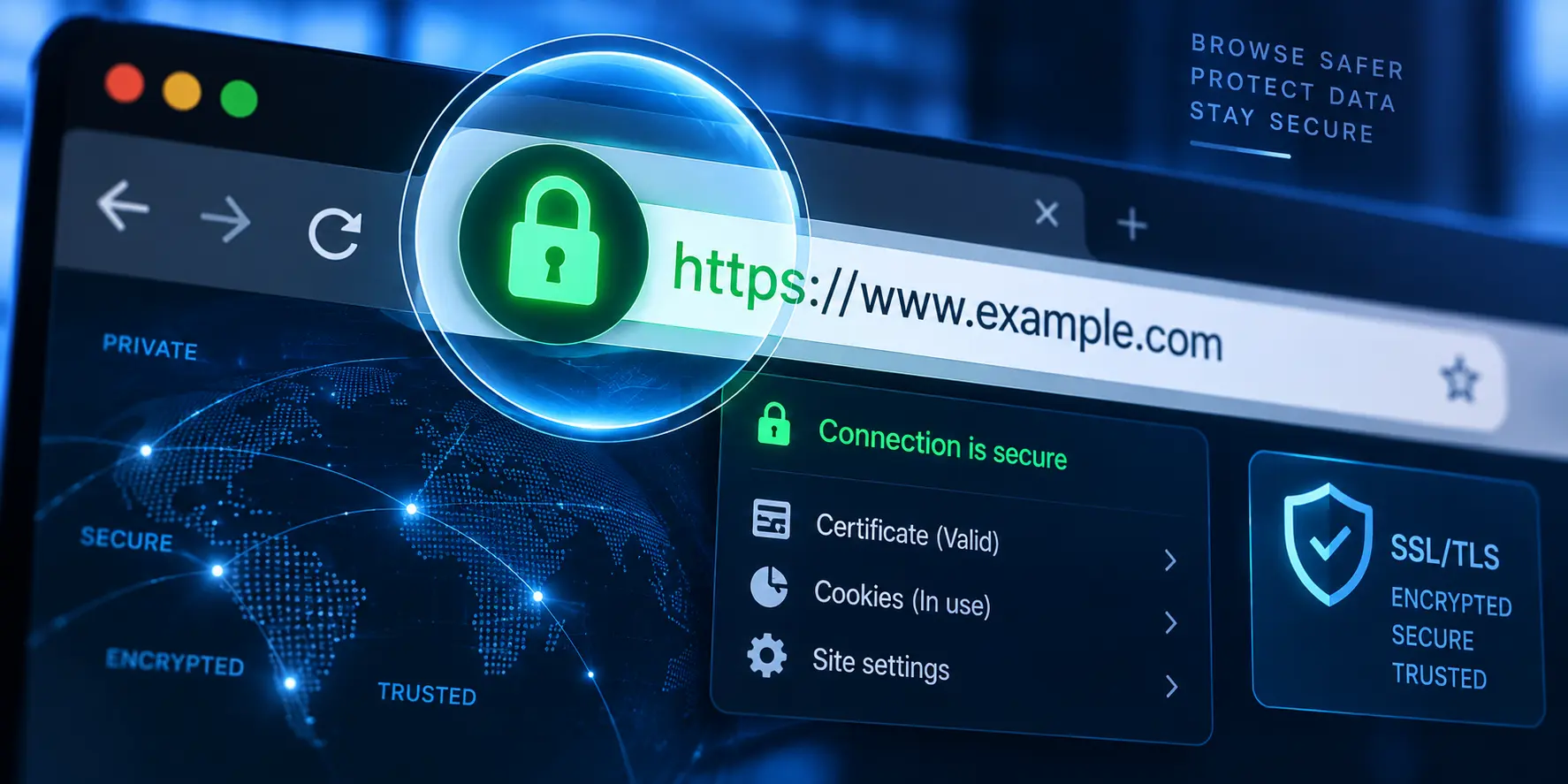
As digital platforms expand across diverse web networks, users frequently encounter alternative domains, proxy servers, and secondary web portals. While these alternative environments appear across various online contexts, they also present distinct security challenges. Preventing phishing on gaming mirror sites is an essential technical and operational priority for individuals seeking to protect their credentials, personal information, and digital assets from malicious actors.
Understanding how deceptive domain structures operate, how fraudulent web copies mimic legitimate interfaces, and what verification steps users can take helps mitigate security risks. This guide examines the mechanics of portal spoofing, technical indicators of authenticity, and best practices for safe browsing.
Understanding Mirror Sites and Associated Realities
A mirror site or alternate-site arrangement refers to secondary web hosting structures that may serve duplicated or related content under a different URL. However, mirror and alternate-site arrangements vary significantly across the web, and unfamiliar alternative domains should not automatically be trusted.
Unlike controlled server load balancing or official enterprise multi-region deployments, unauthorized third parties frequently exploit the ecosystem by creating malicious duplicate domains. These fraudulent clones are specifically engineered to harvest login credentials, session tokens, and personal data through deceptive user interfaces that closely resemble trusted platforms.
Common Indicators of Phishing Portals
Recognizing unauthorized or deceptive web domains requires careful inspection of technical attributes and page behaviors. Several red flags commonly indicate a potential phishing attempt:
- URL Typo-squatting: Malicious domains often use subtle misspellings, altered top-level domains, or misplaced characters to trick users into believing they are visiting a familiar URL.
- Absence of Valid Encryption: While modern phishing sites frequently deploy free SSL certificates to display a padlock icon, certificate anomalies can reveal discrepancies.
- Inconsistent Interface Elements: Low-resolution graphical assets, broken internal hyperlinks, or unfunctional navigation buttons often characterize hastily constructed fraudulent copies.
Technical Verification and Credential Protection
Safeguarding sensitive accounts across distributed web environments requires a multi-layered defensive approach. When navigating alternative portals, users and administrators should implement rigorous verification protocols.
For example, when reviewing how different digital platforms structure authentication flows and handle user access, observing varied technical implementations—such as referencing a link akses resmi anti blokir layout—highlights how platforms present service information, though the linked website is not independently verified as official, secure, legitimate, an authorized mirror, or a recommended access route. Users must independently verify connection endpoints.
Proactive Defense Measures for Web Users
Mitigating the risks associated with unauthorized web portals involves adopting strict digital hygiene habits. Key preventive measures include:
- Carefully Checking URLs: Inspecting address bars for anomalies, unexpected subdomains, or spelling errors before entering sensitive data.
- Using Bookmark Management: Storing verified primary URLs directly in browser bookmarks prevents accidental navigation to typo-squatted or search-engine-spoofed clone sites.
- Using Unique Credentials and Passkeys: Avoiding password reuse across multiple platforms and adopting phishing-resistant methods such as passkeys or hardware security keys where available.
- Enabling Multi-Factor Authentication (MFA): Implementing multi-factor authentication can substantially reduce the risk from stolen passwords, though it does not make account compromise completely impossible.
- Maintaining Browser Updates: Keeping browsers updated and paying close attention to built-in security warnings or red flags raised by safety filters.
Common Questions About Gaming Mirror Security
What makes alternative domains vulnerable to phishing?
Because alternate domains use unfamiliar URLs, individuals often lower their guard, making it easier for attackers to substitute spoofed login pages that mimic trusted services.
Does an HTTPS padlock guarantee a site is legitimate?
No. An HTTPS connection merely confirms that data transferred between the browser and server is encrypted. Furthermore, ordinary users cannot reliably authenticate a website by looking for a matching organizational identity in its TLS certificate, as many certificates primarily establish control of a domain rather than independently verifying the operating organization.
Does multi-factor authentication stop all phishing attacks?
No. While MFA adds a vital layer of security against standard password theft, advanced phishing methods (such as real-time adversary-in-the-middle proxy attacks) can sometimes intercept session tokens unless phishing-resistant credentials like hardware security keys are utilized.
Conclusion
Preventing phishing on gaming mirror sites requires constant vigilance, technical awareness, and strict adherence to safe browsing habits. By carefully verifying URLs, utilizing known bookmarks, avoiding unsolicited login links, keeping browsers updated, and implementing strong authentication controls, users can significantly reduce their exposure to digital fraud across alternative web environments.